Custom Navbar
Back to industries

Buy Now Pay Later for Computers & Electronics

We help electronics suppliers offer flexible payment terms to retailers and resellers, enabling larger inventory orders while you get paid upfront with reduced credit risk.


Computers & Electronics
Larger inventory orders
Immediate payment
Immediate payment
Lower payment risk
Lower payment risk

Why Electronics Suppliers Use Instalments

Enable larger stock orders while protecting your cash flow and reducing payment collection time.

Larger stock purchases

Retailers and resellers order more inventory when they can spread costs over time

Product launch timing

Buyers need flexibility to stock new electronics releases without straining cash flow

Faster deal closure

High-value electronics orders get approved faster with flexible payment terms

Market advantage

Attract more retail partners by offering modern B2B payment solutions

How it works

How It Works - PaidTerms

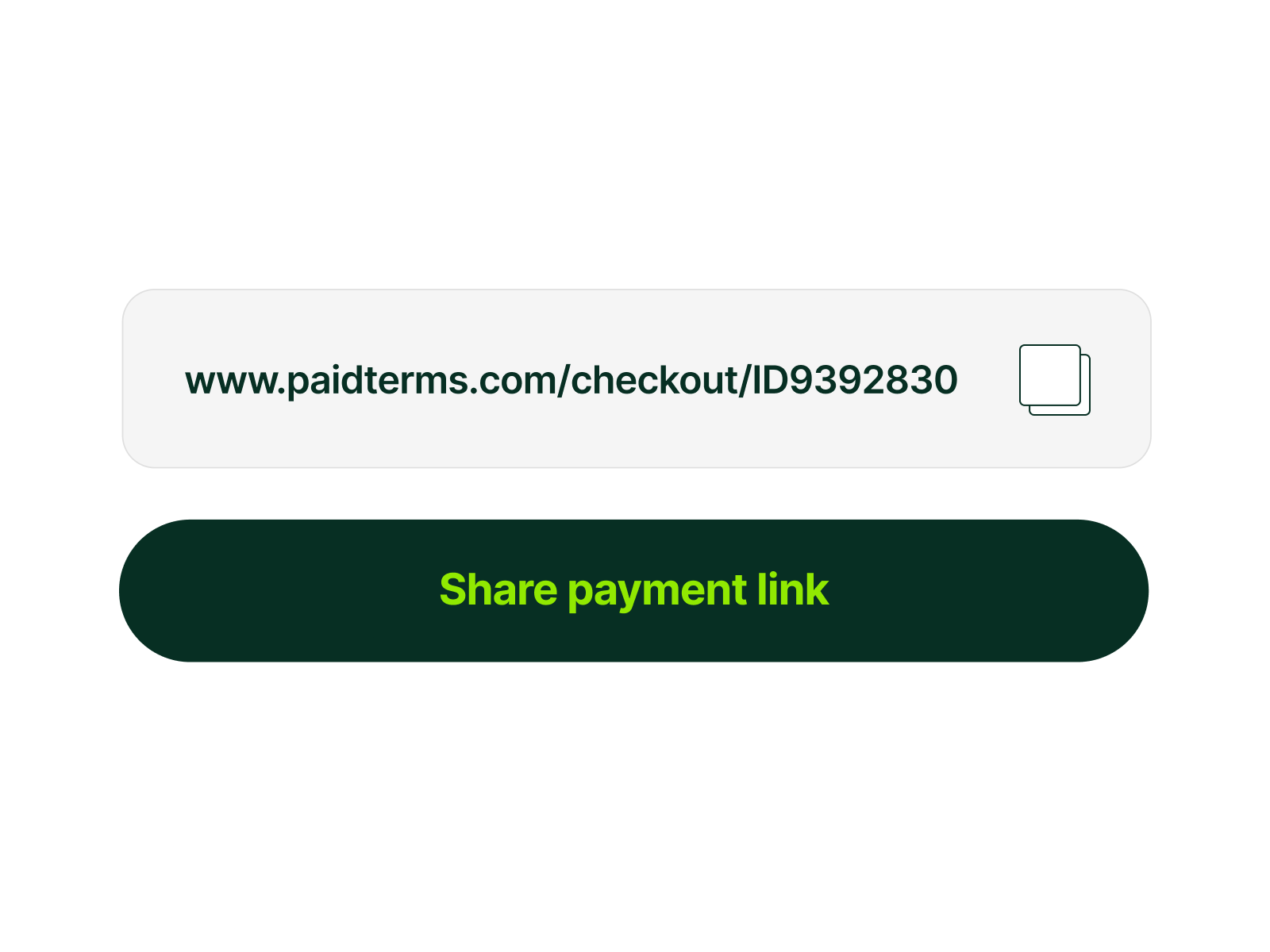
We give you a designated payment link to send to customers. Add it to your invoice email and let the buyer choose terms.

Send payment link

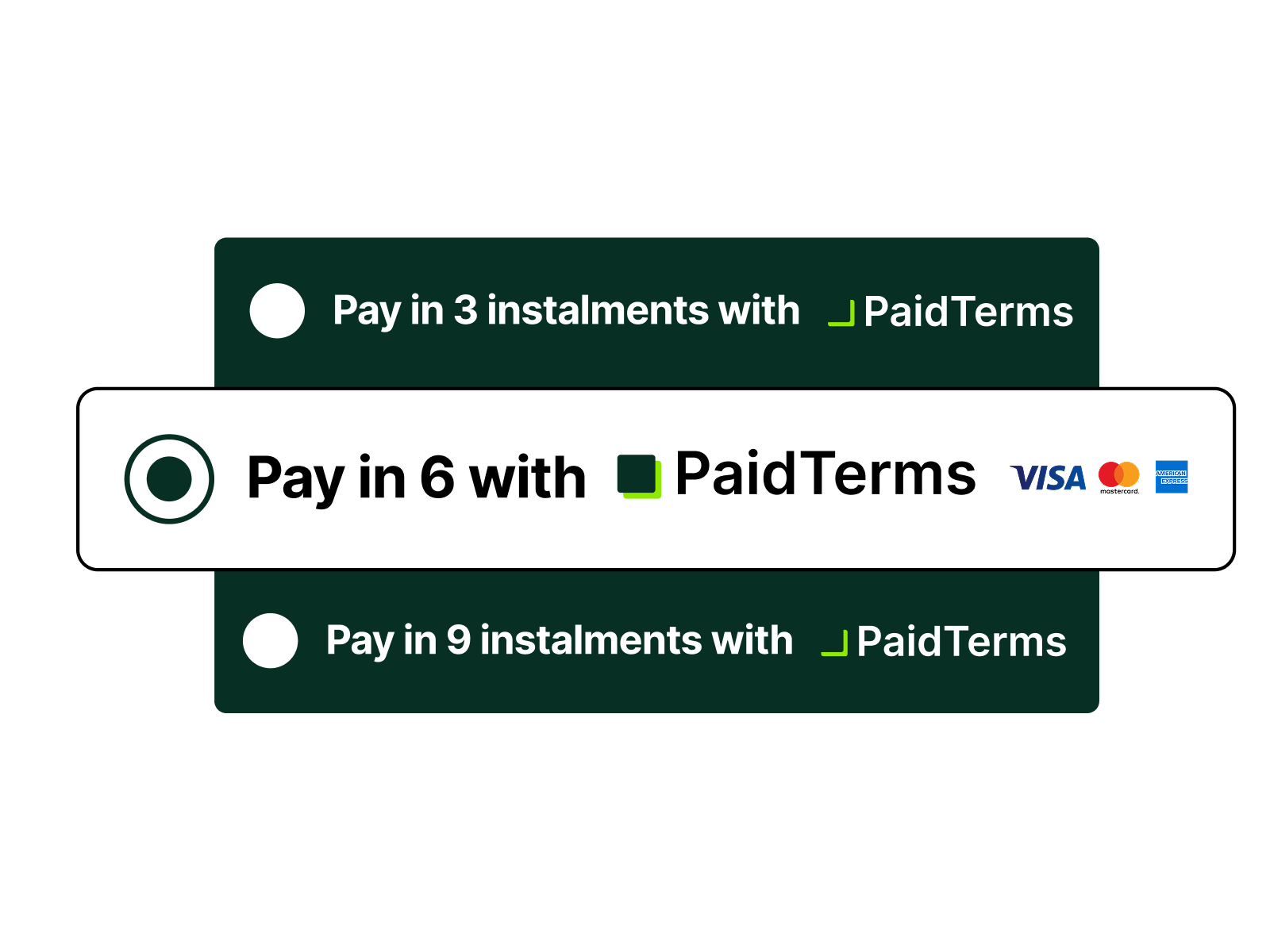
Your customer can split the invoice into 3, 6, 9, or 12 monthly instalments at checkout.

Customer chooses terms

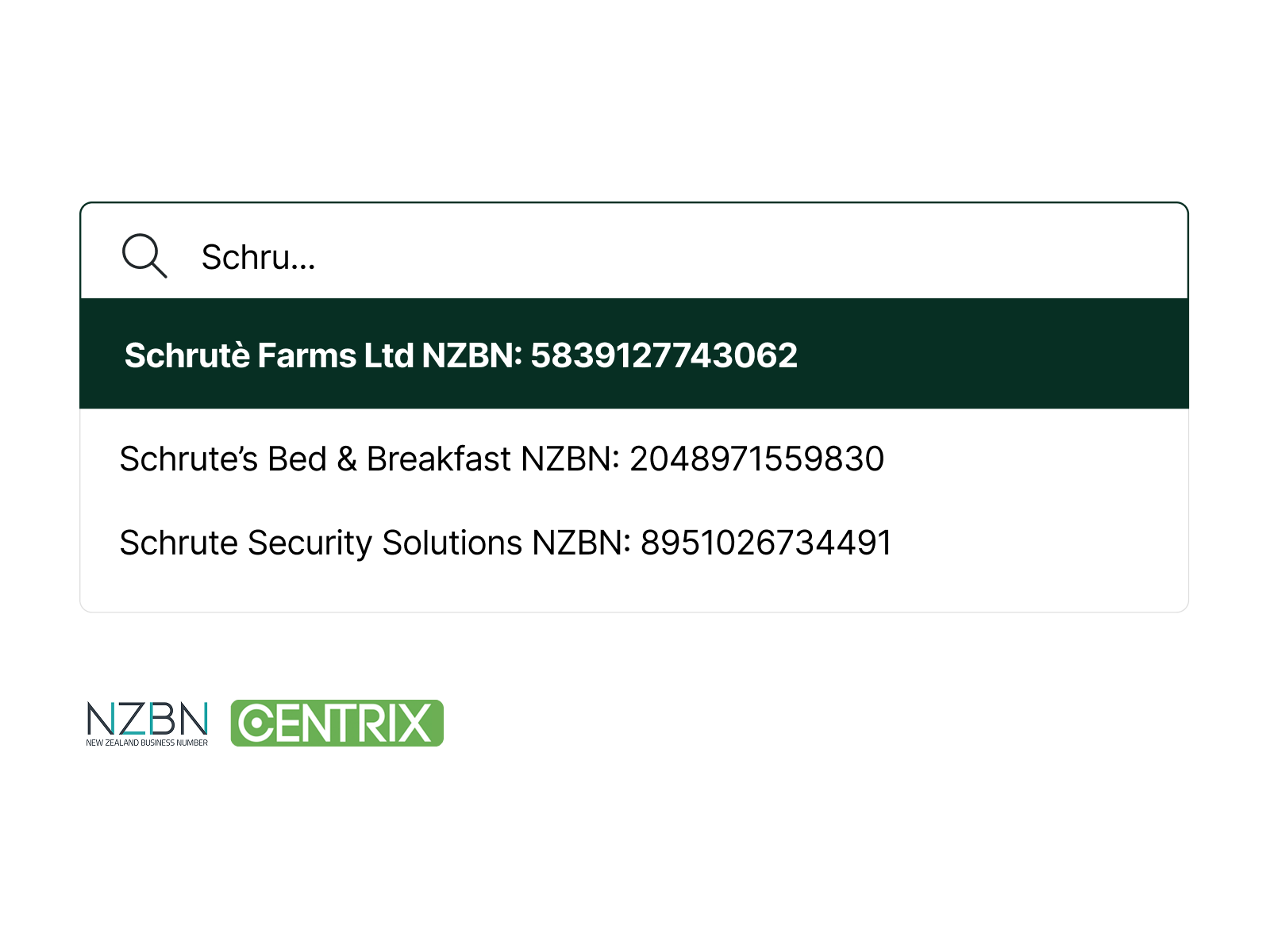
PaidTerms runs a quick business check using NZBN and Centrix to confirm the buyer's details and approve the transaction.

We verify the buyer instantly

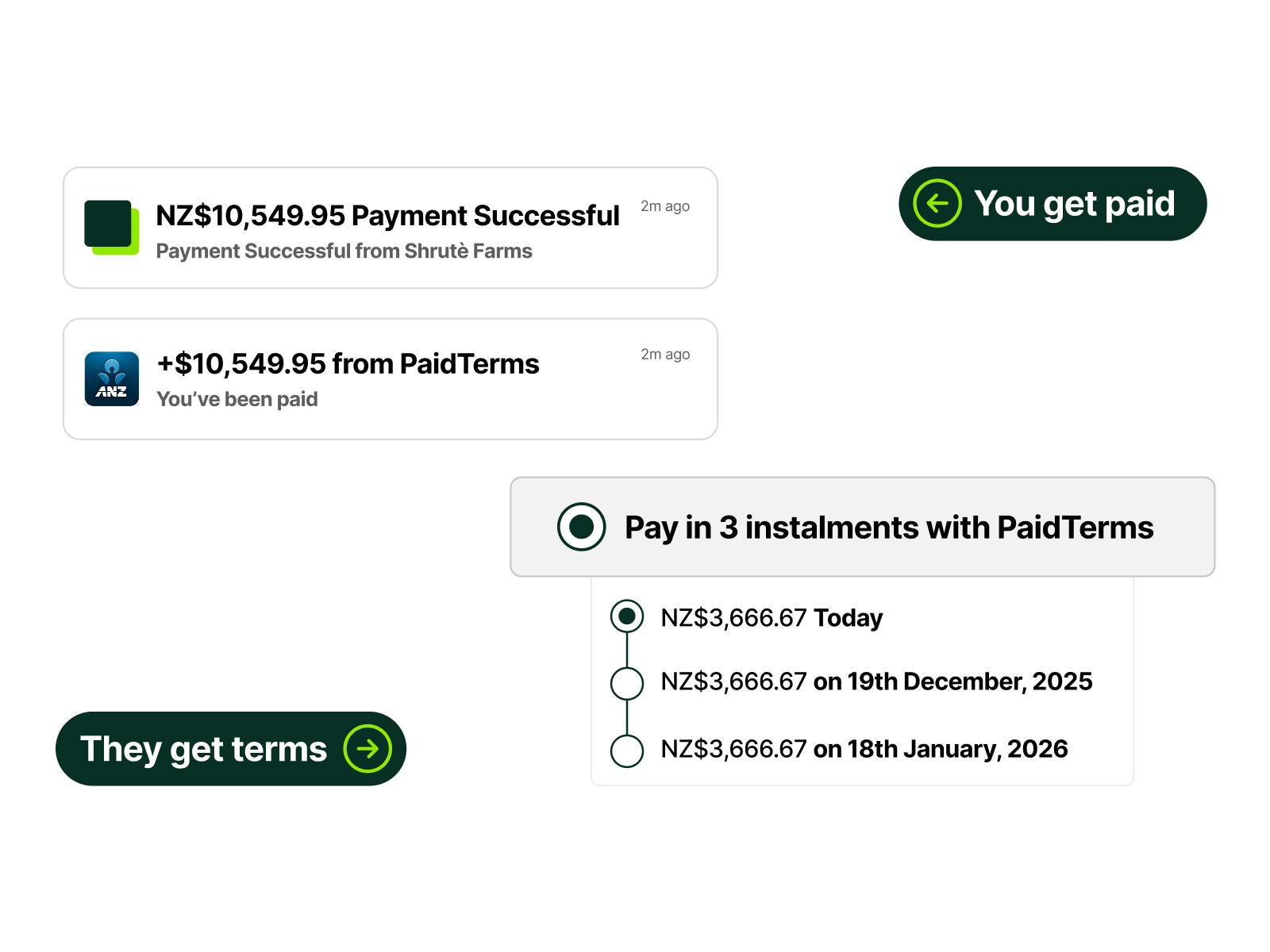
You receive the full invoice amount upfront, and your customer pays it off in instalments through PaidTerms.

You get paid, they get terms

Example: New Product Launch Using Instalments

See how the same scenario plays out differently

The Scenario

Buyer Type

Electronics retailer stocking new product line

Order Size Needed

$95,000 for new electronics inventory

Traditional Outcome
  • Retailer orders limited quantities
  • Credit approval process delays launch
  • Supplier waits 45-60 days for payment
  • Product launch momentum lost
With PaidTerms
  • Retailer commits to full $95,000 order
  • Pays in 6 manageable installments
  • Supplier receives $95,000 upfront
  • Full inventory ready for product launch

FAQ for Building Material Businesses Using B2B BNPL

What is B2B Buy Now, Pay Later (BNPL) for computer and electronics manufacturers, and how does it work?

B2B BNPL allows your business customers to split a computer or electronics invoice into instalments (typically 3, 6, or 9 months) while you continue supplying products as normal. The buyer selects an instalment option at quote or invoice stage and pays monthly, while you receive the full invoice value upfront—without needing to offer in-house credit terms or manage receivables.

Can computer and electronics manufacturers offer instalments on large hardware orders and system deployments?

Yes. B2B BNPL is designed for high-value electronics purchases such as bulk computer hardware, servers, networking equipment, point-of-sale systems, AV setups, and full IT infrastructure rollouts. It enables businesses to secure the technology they need and lock in pricing without paying the full invoice upfront.

Do computer and electronics suppliers get paid upfront if customers pay in instalments?

Yes. In a B2B BNPL model, the supplier is paid upfront and in full once the transaction is approved. The customer then repays the BNPL provider over time. This improves cash flow, removes outstanding receivables from your balance sheet, and allows you to scale sales without extending credit internally.

Is B2B BNPL safe for computer and electronics manufacturers, and who takes the risk if the buyer doesn’t pay?

B2B BNPL is designed to reduce credit risk for electronics suppliers. The BNPL provider assesses the buyer and manages repayment, rather than the supplier carrying the risk or chasing overdue invoices. While terms vary by provider, repayment risk is typically assumed by the BNPL provider—not your business.

How does B2B BNPL help computer and electronics manufacturers increase average order value and win more deals?

When buyers can spread payments, they’re less likely to downsize orders, delay upgrades, or remove optional hardware. This often results in larger system purchases, higher acceptance of complete solutions, and fewer price-driven negotiations. Instead of discounting to win deals, manufacturers can use payment flexibility to increase conversions and average order value.