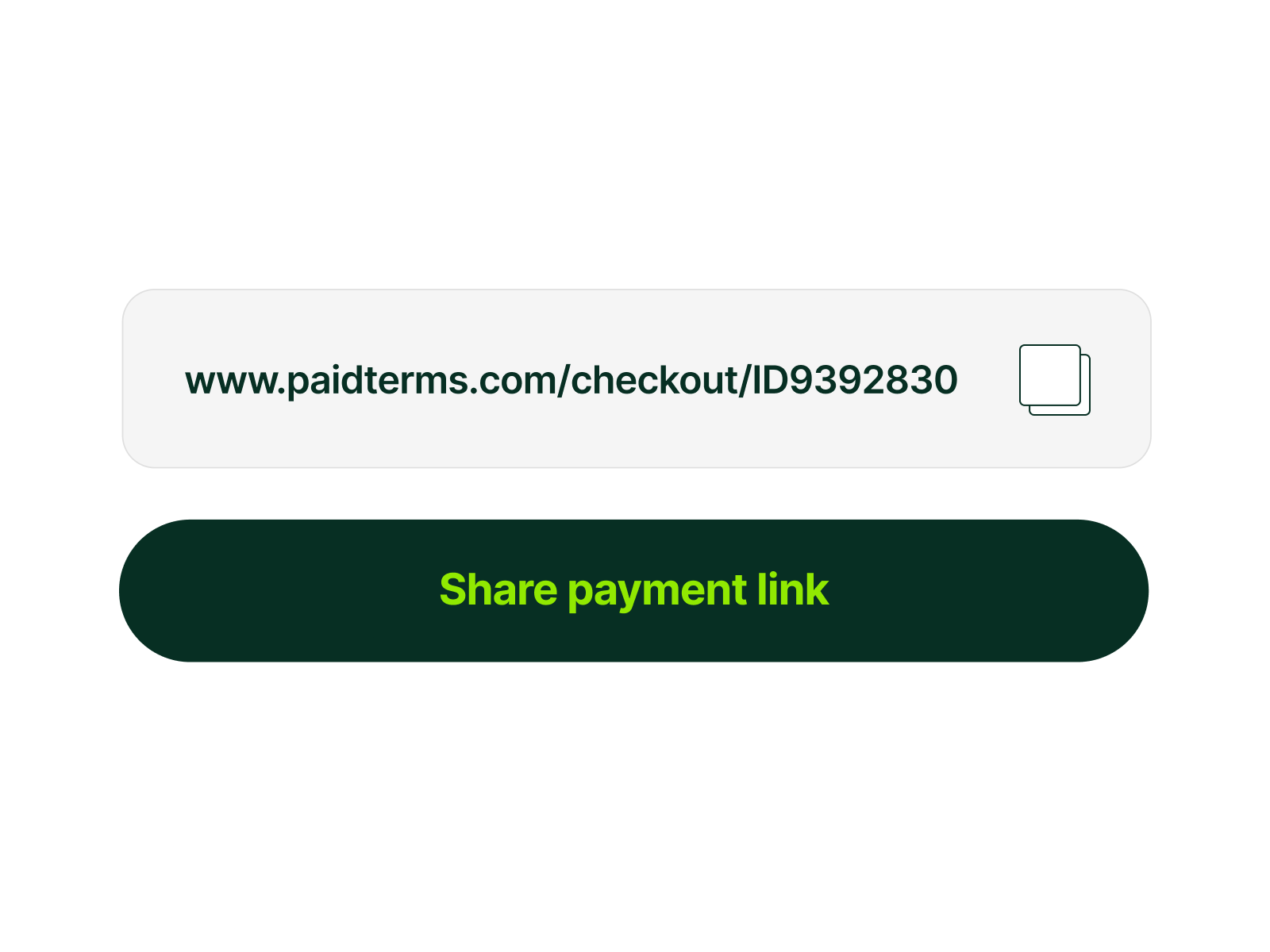
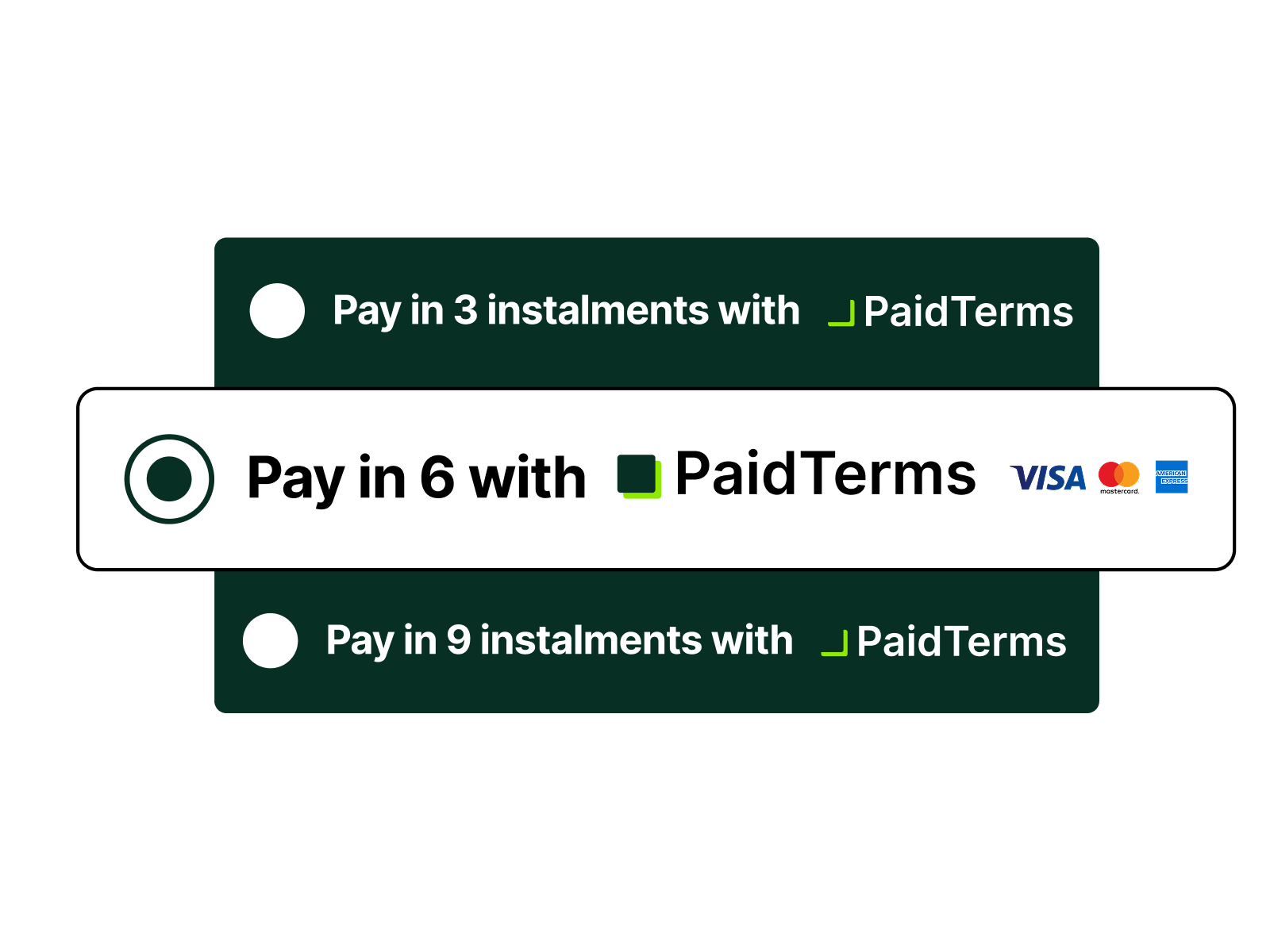
B2B BNPL lets your business customers split a packaging invoice into instalments (often over 3, 6, or 9 months) while you still deliver the job as normal. The buyer chooses an instalment plan at checkout or at proposal stage, then pays monthly. It’s designed for trade customers buying packaging products like cartons, labels, flexible packaging, and custom runs—without needing a traditional trade account.

Yes. B2B BNPL can be offered on custom packaging orders including printed cartons, labels, flexible packaging, pouches, sleeves, and corrugated runs. It’s especially useful when buyers need a larger initial run (for a product launch or seasonal demand) but don’t want to pay the full invoice upfront. Instalments can help customers commit to the right volume from day one.

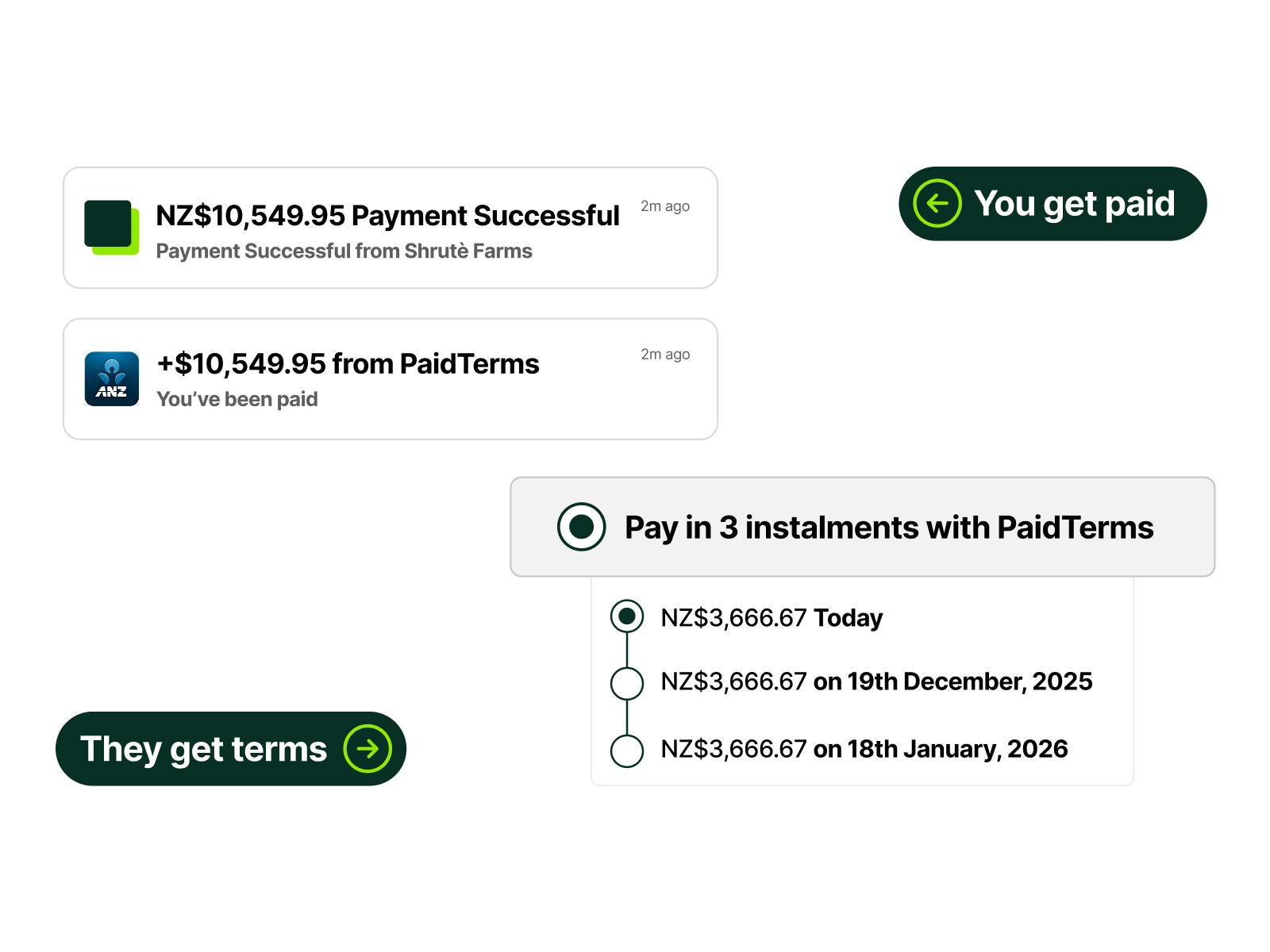
In most B2B BNPL models, the supplier gets paid upfront and in full, while the customer pays the BNPL provider over time. That means you improve cashflow while still giving the buyer flexible terms. This is different from extending your own in-house terms, because it’s not your balance sheet carrying the delayed payments.

B2B BNPL is built to reduce risk for the supplier because the BNPL provider typically assesses the buyer and manages repayment. That means you’re not relying on “trust” or chasing overdue invoices as part of the instalment plan. Always check each provider’s approval process and terms, but the goal is that the repayment risk sits with the BNPL provider—not the packaging manufacturer.

When buyers can spread payments, they’re less likely to “start small” and more likely to order the volume they actually need. That often leads to higher MOQs, larger order sizes, and fewer last-minute order reductions at quote stage. Instead of discounting to win the deal, packaging manufacturers can use payment flexibility to improve conversion and order value.